

Your top news on small business
Provided by AGP
Debra Wesselmann Says Gen Z’s Push for Therapy Is Opening the Door to Intergenerational Healing
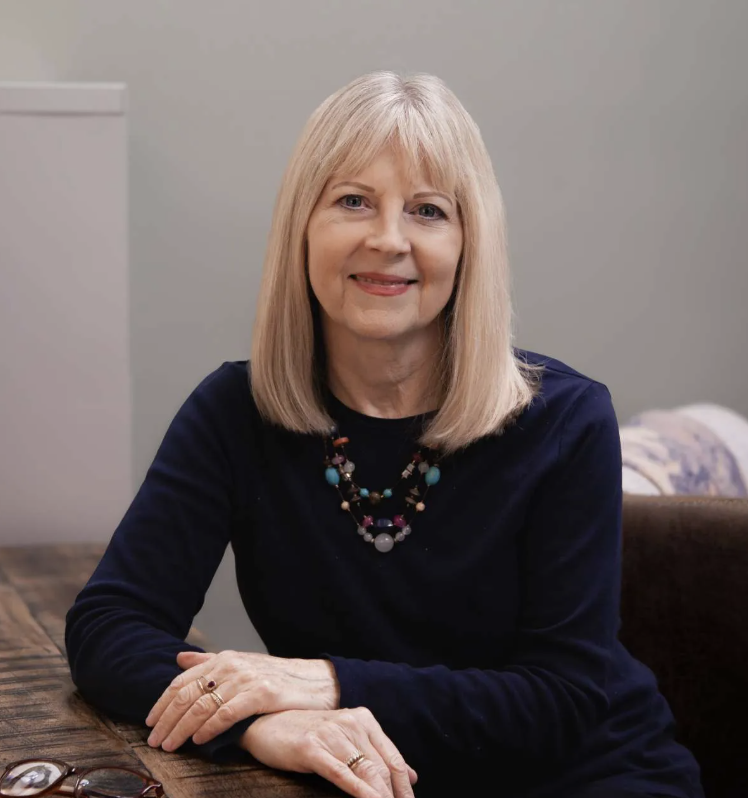
Debra Wesselmann
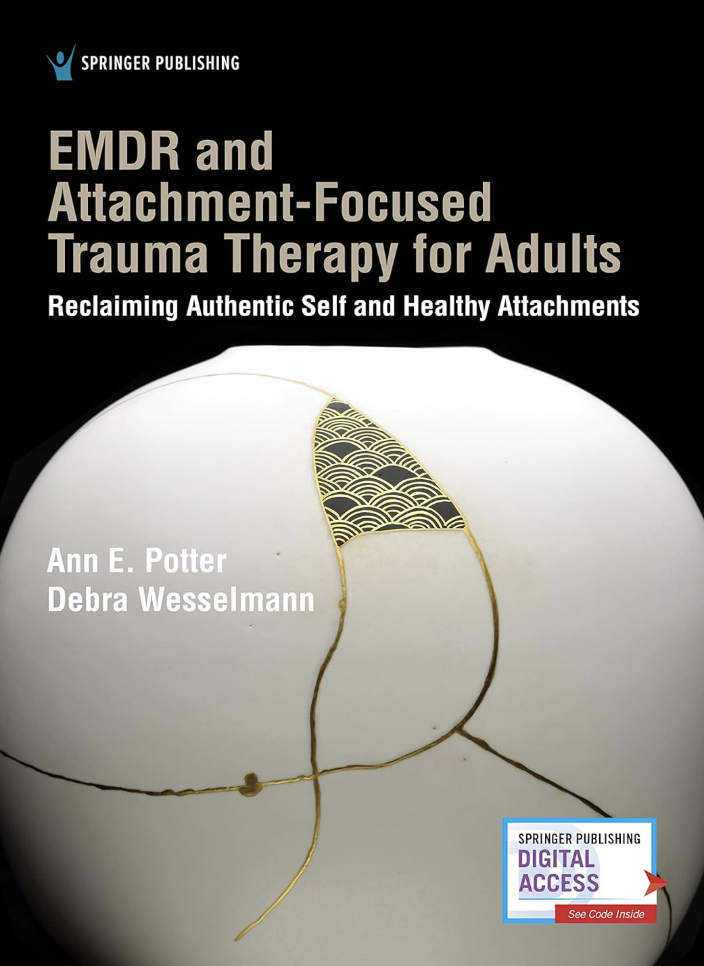
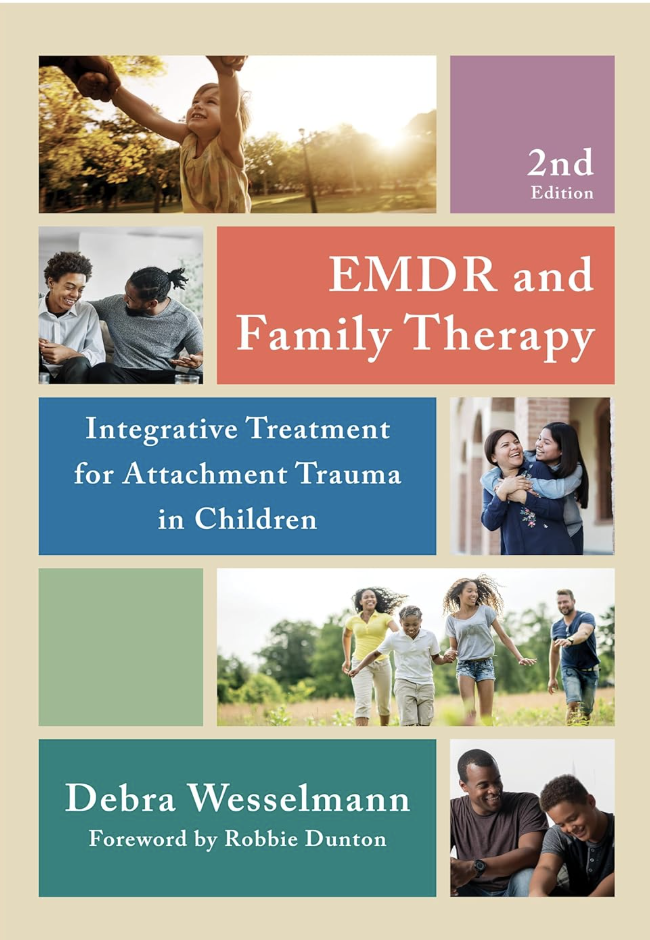
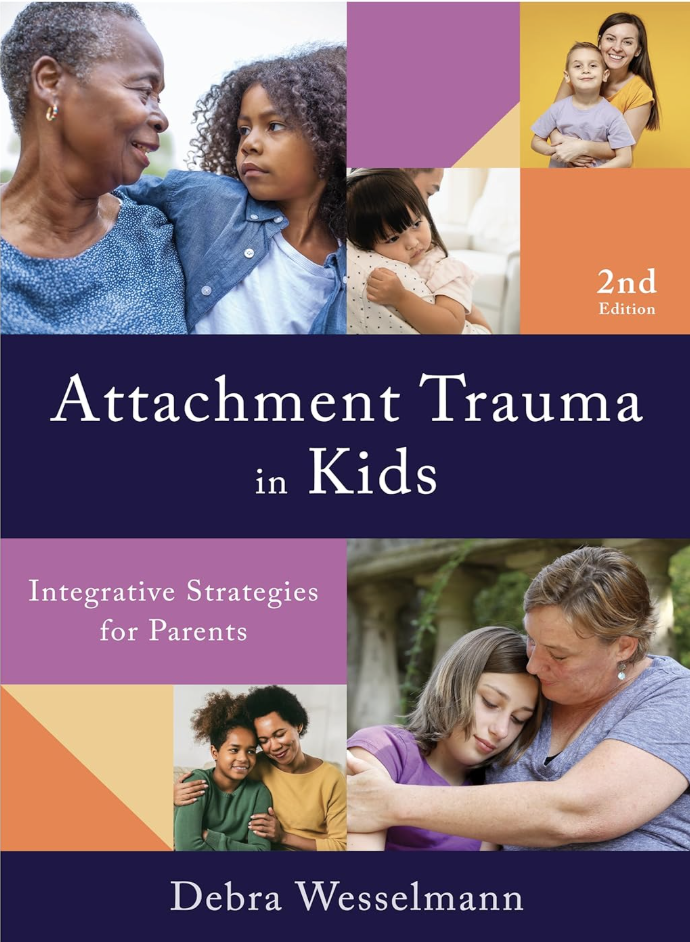
As conversations around “no-contact” culture grow, clinician Debra Wesselmann says many young adults are not seeking punishment, but emotional repair
LOS ANGELES, CA, UNITED STATES, May 6, 2026 /EINPresswire.com/ -- As younger generations become more vocal about trauma, emotional boundaries, and family dynamics, conversations around “no-contact” relationships and therapy ultimatums are increasingly entering the mainstream. A recent YourTango article about a Gen Z son giving his Gen X mother an ultimatum to attend therapy or risk losing their relationship has sparked widespread discussion about accountability, estrangement, and changing family expectations. Attachment-focused clinician and author Debra Wesselmann says the growing conversation reflects a shift in how many young adults approach emotional health and unresolved family dynamics.
“When I first learned about this growing trend among Gen Z, my reaction was simple: good for them,” says Wesselmann. “These young adults are not demonizing their parents or cutting ties without explanation; they are identifying unhealthy dynamics and opening the door to healing cycles that may have existed for generations.”
Mental health professionals have increasingly pointed to heightened emotional awareness among younger generations, particularly around trauma, attachment styles, and communication patterns within families. While the rise of “no-contact” discussions on social media has drawn criticism from some who view the trend as extreme, Wesselmann believes many of these decisions stem from a desire for emotional safety and personal growth.
“In many cases, these conversations are not about blame, but about interrupting cycles of intergenerational pain that neither side fully understood before,” Wesselmann explains.
As an attachment-focused clinician, Wesselmann says some of her most meaningful work has involved helping parents and adult children rebuild trust after years of emotional disconnection.
“Some of my most meaningful work as an attachment-focused clinician has involved facilitating emotional repair between young adults and their parents. That work often leads to healthier, more fulfilling relationships,” Wesselmann explains.
Younger generations are becoming far more open about therapy, trauma, and emotional wellbeing than previous generations, with Gen Z especially likely to seek therapy and openly discuss emotional struggles.
Still, Wesselmann acknowledges that setting boundaries with family members can come with painful consequences.
“Of course, issuing an ultimatum carries real risk. Parents may refuse, and the resulting estrangement can be deeply painful,” she states.
However, Wesselmann believes many individuals ultimately discover a stronger sense of identity and self-worth by speaking honestly about their emotional needs.
“By speaking up and setting clear boundaries, these young adults often discover a sense of self-respect and agency they had not been able to access in any other way,” Wesselmann adds.
Rather than framing the conversation as a battle between generations, Wesselmann encourages families to view these difficult discussions as opportunities for reflection, accountability, and long-term healing.
“Repair is possible when both sides are willing to listen," Wesslemann concludes. "Therapy can create space for understanding that many families have never had before.”
About Debra Wesselmann
Debra Wesselmann, LIMHP, is an attachment-focused psychotherapist, author, and clinician specializing in trauma, attachment theory, and interpersonal neurobiology. With more than three decades of clinical experience, her work focuses on the treatment of complex trauma, dissociation, emotional regulation, and relationship dynamics across the lifespan. Wesselmann is widely recognized for integrating attachment-based approaches with evidence-informed trauma therapies, helping individuals, couples, and families address the long-term effects of developmental and relational trauma.
She is the co-author of several respected books on attachment and trauma treatment, including works exploring attachment disturbances in adults and children, and has contributed extensively to professional education and training in the field of psychotherapy. Through her clinical practice, writing, and speaking engagements, Wesselmann continues to advocate for a deeper understanding of emotional repair, relational healing, and the impact of attachment on mental health and human connection.
For more information about Debra Wesselmann and her work, visit https://debrawesselmann.com/
Debra Wesselmann is available for interviews.
Amanda Kent
Boundless Media USA
+1 313-403-5636
email us here
Legal Disclaimer:
EIN Presswire provides this news content "as is" without warranty of any kind. We do not accept any responsibility or liability for the accuracy, content, images, videos, licenses, completeness, legality, or reliability of the information contained in this article. If you have any complaints or copyright issues related to this article, kindly contact the author above.
