

ABIS Highlights Automotive Injection Molding for Production Readiness
News originally published by
EIN Presswire
ABIS Partners
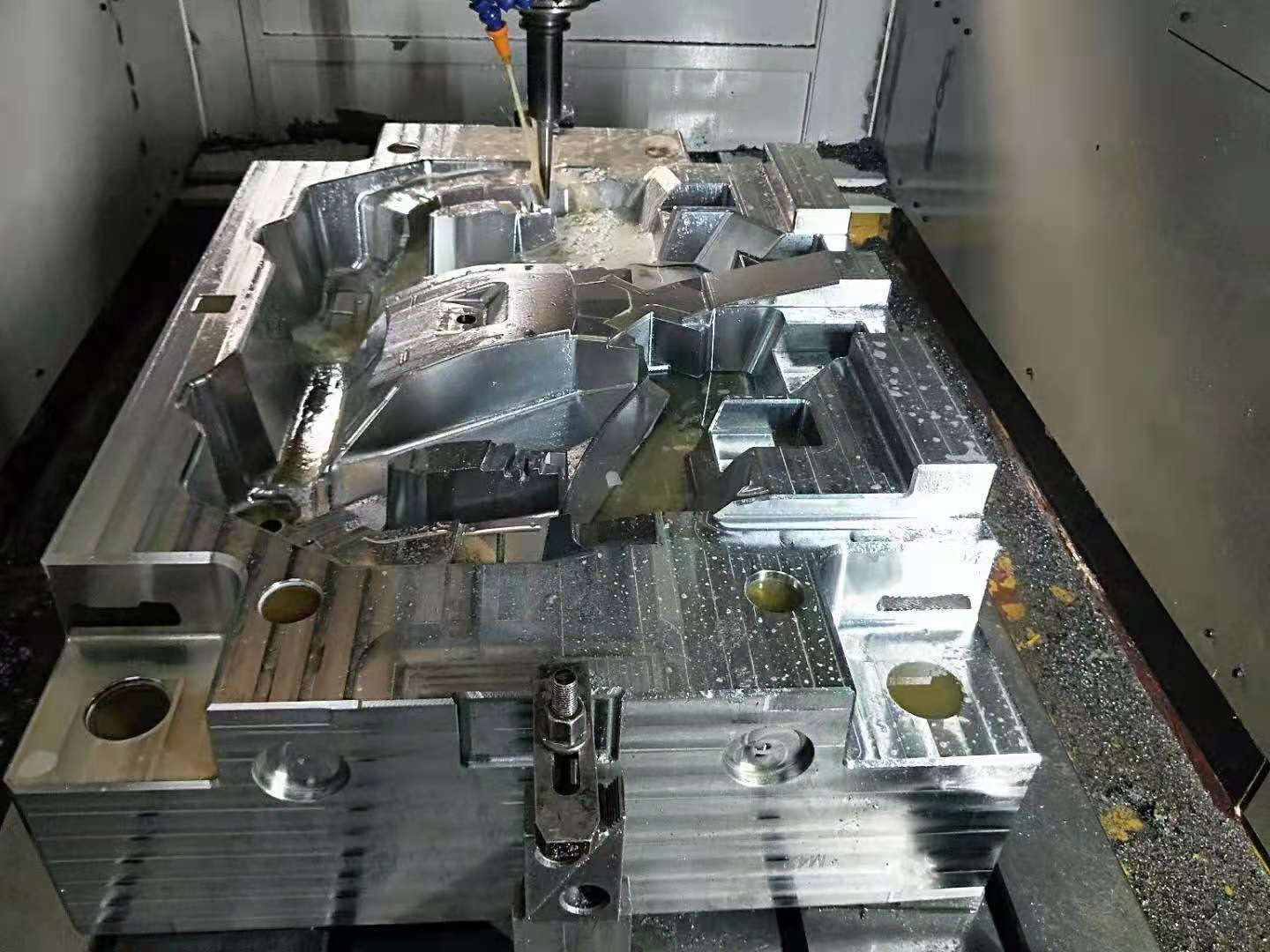
Automotive injection molds

Automotive exterior panel molds
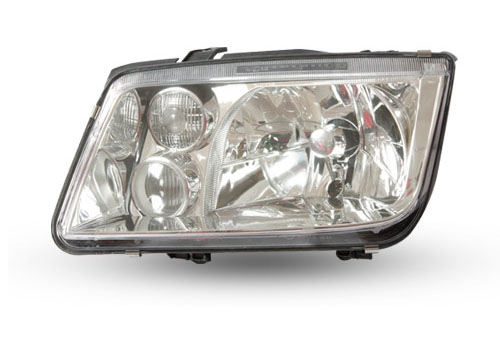
CRA injection molds.

Mexico Mold Exhibition11
ABIS examines automotive injection molding and custom drone parts molds, focusing on materials, tooling and production approval.
SHENZHEN, GUANG-DONG, CHINA, November 17, 2026 /EINPresswire.com/ -- ABIS Mold is highlighting the connection between automotive component design and production readiness through its automotive tooling resource. The Shenzhen manufacturer presents applications ranging from electric vehicle charging components to interior trim and exterior housings, offering a starting point for manufacturers reviewing a new mold or molded-part supply project.The central question for a purchasing team is practical: what must be agreed before a drawing becomes a production commitment? Automotive injection molding involves decisions about tooling, resin, inspection, assembly and commercial responsibility. Reviewing those decisions together can give engineering and procurement teams a clearer basis for choosing a supplier.
ABIS’s automotive resource describes mold-only supply, sampling and injection-molded parts. Its separate Custom Drone Parts Molds resource covers UAV plastic components, giving manufacturers in another application area a place to begin a tooling discussion. Both subjects underline the value of defining the component’s intended use before committing to a manufacturing route.
For buyers, the following considerations provide a framework for turning an initial inquiry into a reviewable project plan.
Define the Decision Before Comparing Prices
An effective supplier review begins with the decision the buyer needs to make. A team selecting a toolmaker for an established design has different priorities from one still resolving packaging, assembly access or material selection.
Consider a purchasing team comparing two quotations for the same enclosure. One price may cover a tool and an initial sample set. Another may include additional inspection, production fixtures or a different allowance for engineering changes. Without a common quotation brief, the price comparison leaves important questions unanswered.
A useful approach is to separate the project into approval points. The buyer can identify what must be accepted at design review, first sampling, production release and delivery. Each point should have an owner, an expected record and a clear decision to proceed or revise.
This gives automotive injection molding discussions a practical structure. It also allows procurement staff to distinguish a firm commitment from a preliminary assumption without asking every supplier to follow an identical internal workflow.
Translate Vehicle Requirements into Component Evidence
Electric vehicle programs illustrate why a component brief needs to reach beyond the shape of a housing. A plastic part may sit beside electrical contacts, locate another component or protect an interface. The evidence needed to approve it depends on that specific role.
A project team could therefore create a responsibility matrix before requesting final pricing. One column would identify the requirement, another the evidence expected, and another the party responsible for producing or approving it. This is particularly useful when the mold buyer, assembly manufacturer and finished-product customer are different organizations.
The same matrix can distinguish a material document from a component test report. A document describing the resin should be assessed for what it actually demonstrates, while the test plan should address the finished part or assembly being purchased.
In an inquiry for a charging-port housing, for example, the customer could include a diagram showing the component’s position and neighboring parts. Reviewers can use that common reference when deciding which interfaces need evidence at the first trial.
For automotive injection molding projects, this approach makes technical discussions easier to track. It encourages buyers to ask which requirements are resolved, which remain open and which require an external laboratory or customer decision before production authorization.
Treat Appearance as an Approval Activity
A visible automotive part also needs an organized approval process. A commercial description such as premium finish leaves room for different interpretations unless it is supported by a reference and a method of assessment.
Covestro identifies surface quality and dimensional stability among the considerations for automotive interior materials, including polycarbonates and their blends. These priorities help explain why an attractive sample and an assembly-ready component deserve separate review.
For an exterior mirror cover or door handle, a buyer can mark the surfaces that will be viewed on the finished vehicle and explain how the part will be handled during inspection. This gives the supplier an explicit reference when preparing trial samples.
A buyer might nominate a reference panel or an approved component, then agree how the supplier will present samples for inspection. The approval record can identify the relevant drawing revision, material designation and reference sample so that later discussions refer to the same basis.
Consider two adjacent trim components supplied by different companies. Reviewing each part separately may leave the final appearance comparison until assembly. A coordinated approval session gives the project team an opportunity to assess the combination before committing to a larger order.
The purchasing benefit is a clearer definition of acceptance. It also helps distinguish a requested design change from a correction to an already agreed requirement.
Build a Material Decision That Can Be Traced
Material selection deserves its own decision record. A project file should explain which grade was approved, who approved it and what conditions or limitations informed that choice.
For polyamide components, moisture behavior is one example of why this record matters. BASF’s Ultramid technical literature explains that moisture absorption can affect dimensions and mechanical properties. Inspection and performance comparisons should therefore account for the condition of the samples being evaluated.
A buyer can use this information to organize the approval conversation. Instead of accepting an unspecified material substitution during sampling, the team can request a written comparison of the proposed grade with the approved requirement and decide what further evidence is necessary.
The same discipline is useful when procurement teams consider an alternative source of resin. The decision should remain visible to engineering, quality and production staff rather than becoming an undocumented purchasing adjustment.
Automotive injection molding programs benefit when the approved material designation follows the project through quotation, sampling and repeat orders. A concise record can preserve that continuity without making every exchange lengthy or difficult to manage.
Use Simulation to Resolve Specific Questions
Engineering simulation is most useful when the team knows what decision it will inform. Autodesk’s injection molding documentation describes results that help examine filling, air traps, weld lines, cooling and warpage. These tools can reveal issues that deserve investigation before tooling decisions are finalized.
A buyer does not need to interpret every simulation plot independently. It can ask the supplier to explain the question examined, the assumptions used and the proposed response. A short decision summary is often more useful to a project manager than a large collection of unexplained images.
For example, if the analysis identifies a concern near a functional feature, the review should establish whether the proposed response changes the part, the tool or the planned process. The customer can then assess the consequences for other requirements.
Simulation findings should remain connected to subsequent sample inspection. The project record can show which concerns were investigated and what the physical trials demonstrated. This creates a coherent engineering history for automotive injection molding projects as they move toward release.
Make Sampling a Decision Process
A sample shipment is an important project milestone, but the receiving team needs to know what decision the samples are intended to support. An early assembly check, a cosmetic review and a production approval may require different quantities and records.
AIAG describes the Production Part Approval Process, or PPAP, as a framework for demonstrating that engineering requirements can be consistently met during actual production. Where a customer requires PPAP, the submission expectations should be agreed within the project scope.
Even when a different approval arrangement applies, buyers can organize sample reviews around a clear question: what evidence is still needed to authorize the next stage? An inspection report can then be reviewed alongside the applicable drawing and the outstanding action list.
If a sample does not meet an agreed requirement, the follow-up record should identify the issue, the proposed correction and the evidence expected from the next trial. The buyer can also record whether the correction affects an earlier approval.
This makes automotive injection molding progress easier to evaluate. A project advances through resolved requirements and documented decisions, giving both parties a shared view of what remains before release.
Protect the Schedule Through Clear Change Control
Design changes are easier to discuss when the project has an agreed baseline. A small modification can create work for several teams, so the commercial and technical consequences should be visible before the change is authorized.
A practical change request can identify the affected drawing revision, the reason for the change, the proposed validation and the expected effect on timing and cost. It should also establish who can authorize the work.
This is useful during sampling, when several changes may be discussed in quick succession. A single updated action list helps distinguish approved work from options still under consideration.
For buyers evaluating automotive injection molding suppliers, the relevant question is how the supplier communicates these decisions. A clear written response lets engineering assess feasibility, procurement assess cost and the project manager assess timing against the same proposal.
The objective is a schedule that reflects the actual approval status. Recording the assumptions behind each milestone gives the team a better basis for revising the plan when new information becomes available.
Custom Drone Parts Molds: A Related Engineering Conversation
ABIS’s drone tooling resource extends the discussion to housings, frame components, battery compartments and controller shells. It describes support from design-for-manufacturing review through sampling and repeat production.
The connection with automotive sourcing is the method of organizing a project. A buyer still needs to identify the component, the evidence required for approval and the responsibilities of the parties involved. The product-specific engineering assessment must then address the intended drone application.
For a drone development team, it can be helpful to divide the first inquiry into decisions that are already settled and questions that remain open. An enclosure project may be ready for a tooling quotation while another component still needs an engineering review. Making that distinction allows the supplier to respond at the appropriate level.
The Custom Drone Parts Molds discussion should also establish how several components will be reviewed together. If the customer is sourcing an assembly of plastic parts, a coordinated sample review can provide a clearer picture than separate approvals managed on different schedules.
This creates a useful connection for buyers working across vehicle and UAV product lines. They can apply a consistent purchasing method while retaining separate engineering criteria, test plans and release decisions for each application.
Compare the Deliverables Behind Each Quotation
A supplier shortlist becomes more useful when quotations are compared by deliverable. The buyer can ask each bidder to identify what it will provide, what the customer must supply and what remains subject to review.
The comparison can cover tool ownership, technical documentation, sampling, inspection, packing and delivery responsibilities. Where ongoing part supply is proposed, the discussion can also establish the ordering arrangement and the handling of approved engineering changes.
A useful commercial review considers several demand scenarios. The team might compare the initial build, an anticipated repeat order and a possible increase in demand. The supplier can explain which assumptions would need to change under each scenario.
For automotive injection molding, this approach provides more context than a headline tool price. It allows the buyer to assess whether the offer supports the intended project and whether the proposed responsibilities match its own resources.
The result is a clearer basis for negotiation. Both parties can focus on the deliverables that matter rather than revisiting assumptions after the order has been placed.
Review ABIS Against a Project-Specific Brief
ABIS’s company profile states that the business was established in Shenzhen in 1996 and combines mold making, injection molding and assembly services. It also reports ISO 9001 certification. Buyers can request the current certificate and review its scope as part of supplier qualification.
That company information provides a starting point for further assessment. The next step is to ask for evidence relevant to the actual component, proposed supply arrangement and customer approval process.
A structured inquiry gives ABIS an opportunity to respond with a project-specific proposal. It also gives the buyer a consistent basis for comparing the response with other shortlisted suppliers.
Prepare an Inquiry That Supports a Useful Response
Manufacturers considering ABIS can begin with a short project summary that explains what is being purchased and what decision is needed next. The inquiry can identify the available technical files, expected quantities, target milestones and the team responsible for approving the work.
Where information is incomplete, a list of open questions helps the supplier distinguish a request for engineering input from a request for a final commercial commitment. Confidentiality arrangements can be discussed before sensitive files are shared.
For automotive injection molding and custom drone tooling, this preparation supports a more focused exchange. The supplier can respond to a defined requirement, and the customer can assess the response against an agreed purpose.
About ABIS
Information regarding automotive injection molding can be found at the following URL:https://www.abismould.com/automotive-injection-molding.html
Information regarding custom drone parts molds can be found at the following URL:https://www.abismould.com/drone-injection-molding.html
Information regarding the double shot injection molding can be found at the following URL:https://www.abismould.com/double-shot-injection-molding-2K-injection-molding.html
Information regarding the sleep aid device manufacturer can be found at the following URL:https://www.abislife.com/sleep-aid-device-for-adults/
Media and Project Contacts
Kelly
Email: kelly@abismold.com
Mike
Email: Mike@abismold.com
Telephone / WhatsApp: +86 13751017242
plastic injection molding service: https://www.abismould.com/
Kelly
ABIS Mold Technology Co., Ltd.
+86 13682636597
Visit us on social media:
Facebook
YouTube
ABIS Mold Manufacturing | Precision Tooling, Quality & Global Solutions #B2B #ABIS
Legal Disclaimer:
EIN Presswire provides this news content "as is" without warranty of any kind. We do not accept any responsibility or liability for the accuracy, content, images, videos, licenses, completeness, legality, or reliability of the information contained in this article. If you have any complaints or copyright issues related to this article, kindly contact the author above.
